
Knee Pain ? You need help ..
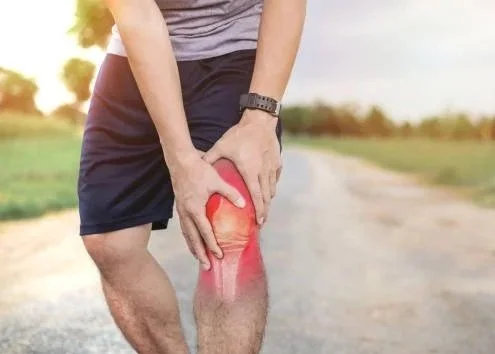
Knee pain isn’t always immediate or obvious. It can appear suddenly after a strain, or slowly build up from repeated stress over time.
While it may feel manageable at first, recurring symptoms are worth paying attention to. If the pain keeps coming back — even if it goes away in between — it could indicate that something deeper isn’t quite right.
Listening to your body early can make a significant difference in recovery.
There are OBVIOUS symptoms you shouldn't ignore!
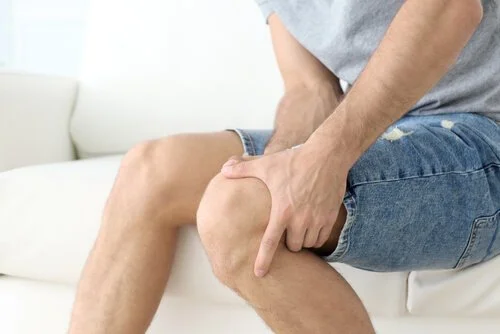
Unable to fully bend / straighten knee
When your knee starts to lock, catch, or feel restricted in movement. You may notice difficulty fully bending or straightening your knee, which can begin to affect simple daily activities—such as climbing stairs, squatting, kneeling, getting up from a chair, or even turning.
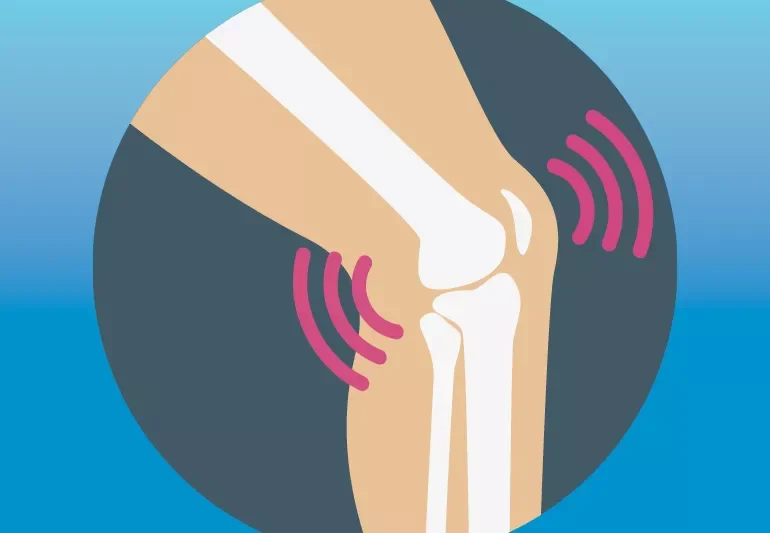
Grinding / Popping sensation
Hearing grinding, clicking, or popping in the knee during movement is a common symptom. These sounds often occur when there is irregular contact between the knee joint surfaces or altered joint mechanics during bending and straightening.
Mild ache to Sharp Sudden Sensation
Knee issues can cause varying degrees of pain, including mild knee discomfort, aching, or sharp knee pain. This pain may remain localised or radiate within the knee joint, depending on the underlying condition.
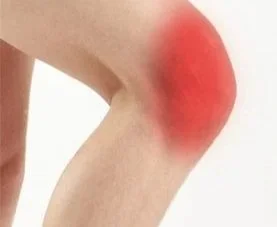
Redness/ Swelling in the Knee
Redness, swelling, and warmth around the knee are key symptoms of knee inflammation. These signs may be linked to acute injuries, ligament strain, or fractures, and should not be ignored.
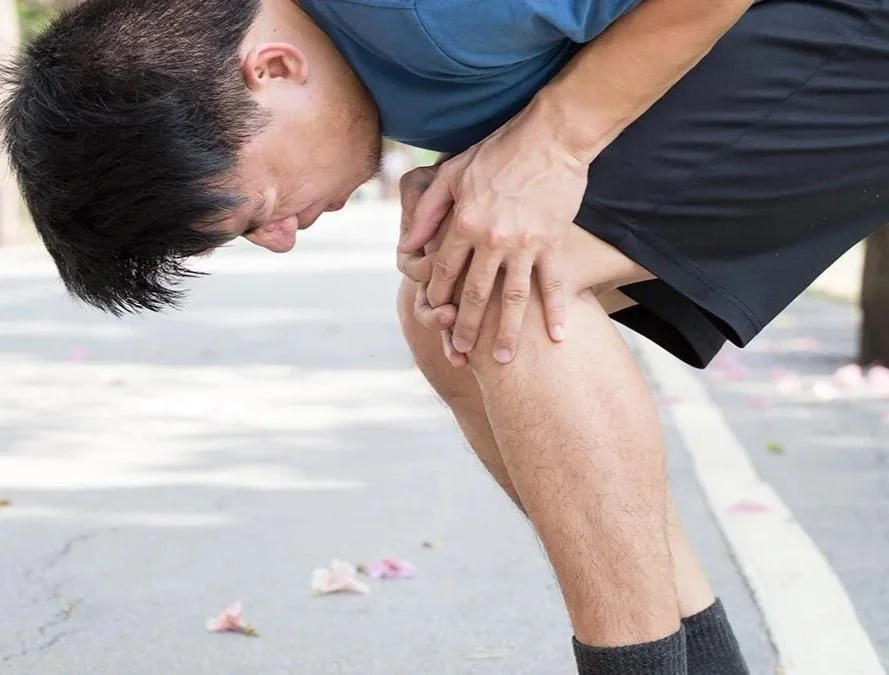
Stiffness in the Knee after Rest
Knee stiffness after sitting is a common symptom that may affect your range of motion and joint flexibility. It can make it harder to stand, walk, or sustain longer periods of activity.
How to get Immediate Relief for your Knee Pain
Rest and protect the injured or painful area to support recovery.
Avoid or modify activities that trigger pain or discomfort, and take regular breaks to prevent further strain or injury.
2.Elastic Compression bandage (e.g. Ace wrap)
This support the injured or sore area and help reduce swelling. Ensure the bandage is snug but not too tight, as excessive compression may restrict blood flow and increase swelling below the injury site.
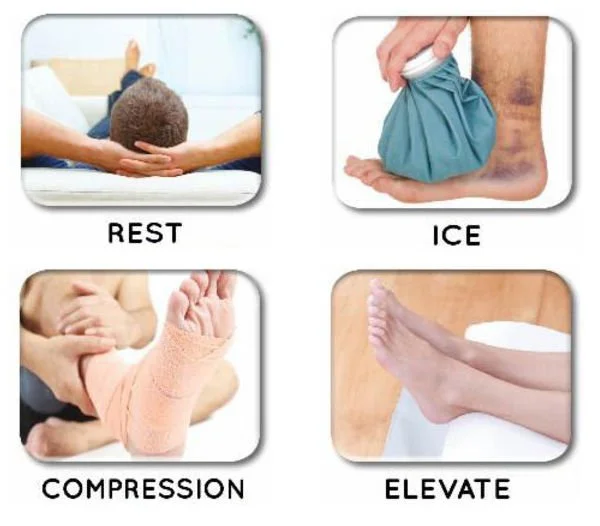
3.Apply an ICE pack or cold compress
Ensure the bandage is snug but not too tight, as excessive compression may restrict blood flow and increase swelling below the injury site.
4.Elevate the painful area on pillows
Keep the affected area at or above heart level to help reduce swelling, improve circulation, and support faster recovery.
While self-relief can pause the pain for awhile, you will eventually need treatment if the pain persists.
Contact Us for LONG-TERM Solution!