Chronic Disease Management

Why do Chronic Diseases require Physiotherapy intervention?
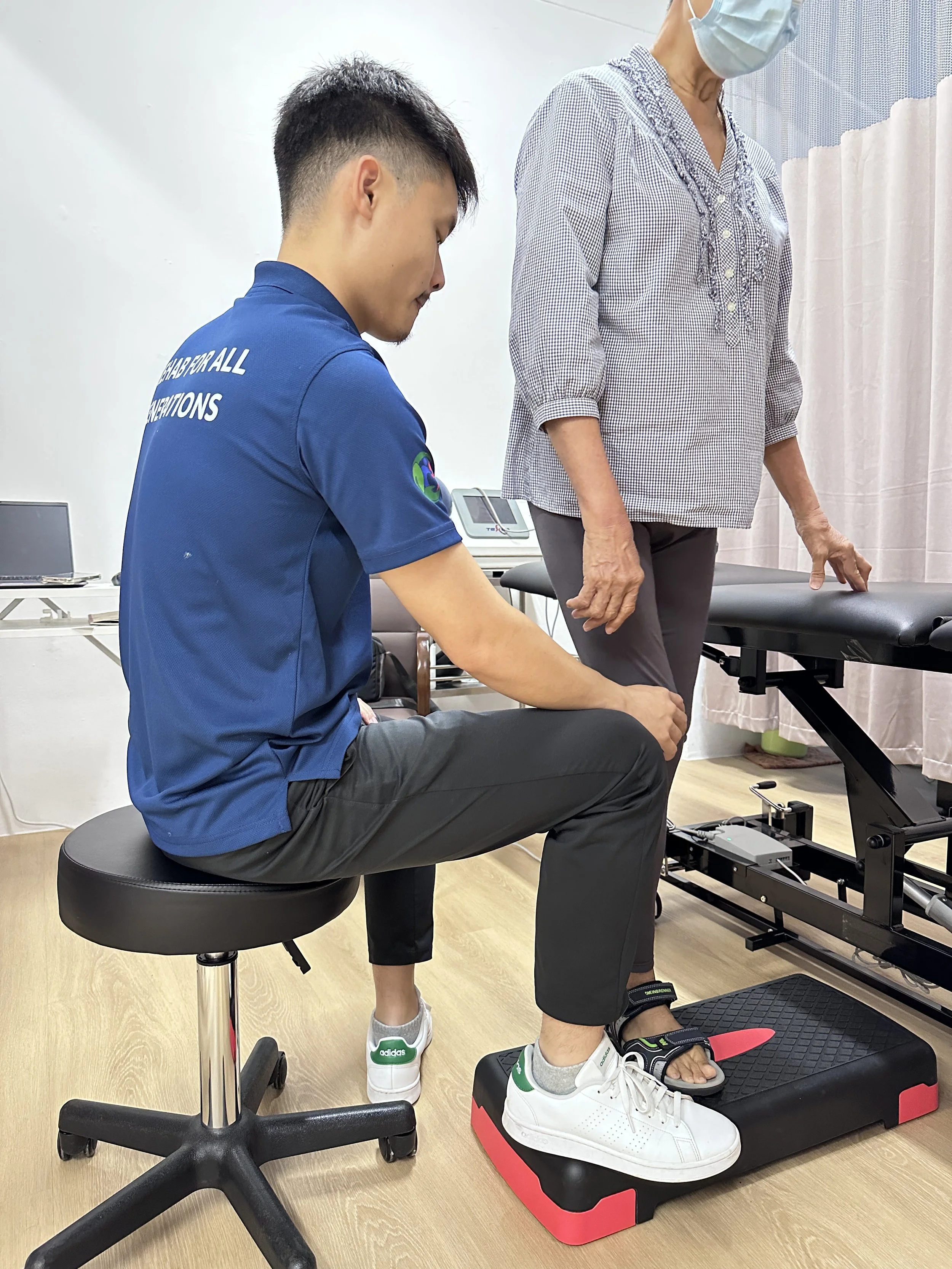
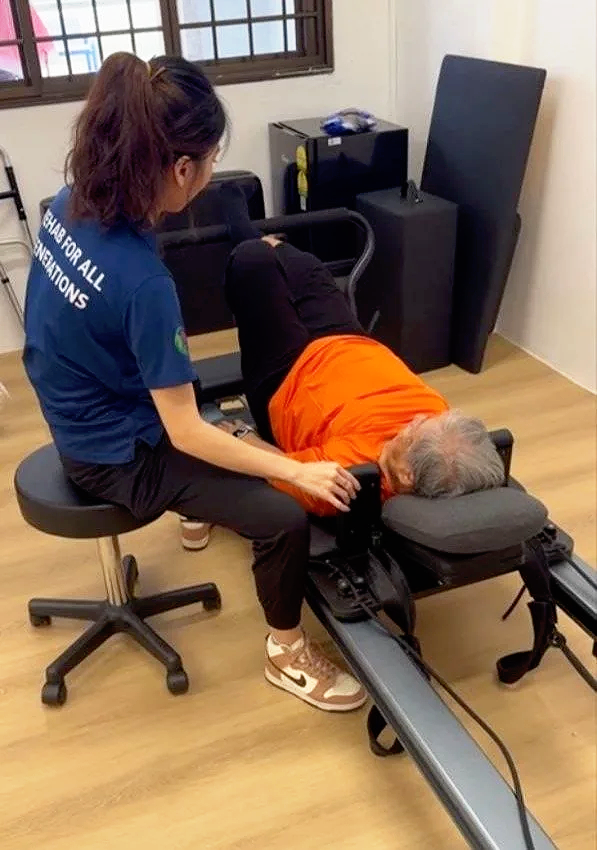
Chronic Diseases alter how the body moves, handles pain, and functions over time. Chronic Diseases often lead to permanent changes in the body, progressive weakness, and recurring symptoms
Physiotherapy is not a direct cure for the disease, but is a critical management strategy focused on long-term comfort, quality of life and movement.
How does Physiotherapy Help Manage Chronic Diseases?
Physiotherapy helps to:
Manage and Desensitise Pain: Chronic Diseases can continuously stimulate the nervous system, causing patients to be hypersensitive to pain. Physiotherapy utilise targeted movement, stretching, and physical therapies to ease discomfort, reduce reliance on pain medications.
Reduce Muscle Deconditioning: Many patients avoid movement due to their disease, causing muscles to shrink and weaken. Strength training helps to rebuild muscles, to reduce the load off damaged joints and bones
Reduce the Risk of Secondary Complications: Living with a chronic disease may result in other complications. For example, a stroke patient might experience permanent joint issues. Some people with diabetes may experience reduced balance or mobility due to complications associated with the condition. Physiotherapy targets these areas before they develop into secondary conditions.
Builds Tolerance and Endurance: Conditions affecting the heart and lungs significantly affects the patient’s stamina. Progressive aerobic pacing helps to slowly increase cardiovascular and lung capacity. This is so that patients can complete daily tasks without severe exhaustion.
Educate Patient on Self-Management: If the patient pushes too hard during an exercise, it can trigger intense episodes of flare-up. During physiotherapy, we educate and train patients on how to safely pace themselves, understand their body signals and modify movement habits.
What are some Chronic Diseases we managed?
Arthritis
Chronic Pain
Diabetes
Parkinson’s Disease
Cardiovascular Disease
Respiratory Disorders